

How to Remove Bugs from Airplane Leading Edges Without Damaging the Finish
Sep 15th 2026
Why Bug Residue Is Harder Than It Looks
Bug residue is one of the most common aircraft-cleaning problems because leading edges collect it continuously during flight. Fresh residue can often be removed with relatively little effort. Once it dries and bakes onto the surface through sun and repeated heat cycles, technicians are tempted to scrub harder. That is where a simple cleaning problem can become a finish problem.
The safe strategy is to soften and lift the contamination rather than attack it dry. The goal is not to prove how strong a cleaner is. The goal is to remove the residue while minimizing unnecessary abrasion and preserving the surface underneath.
Leading edges also deserve extra care because aircraft can use different paint systems, coatings, polished metal or specialty components in these areas. Always identify what you are working on before choosing the process.
1. Do Not Start by Scrubbing Dry Bug Residue
Dried bug residue can hold fine dirt and airborne grit. Aggressive dry wiping turns that contamination into an abrasive. Even if the bugs come off, the surface can be left with fine scratches or a hazy appearance that requires additional polishing.
Before wiping, remove loose grit and give the residue time to soften. Depending on the aircraft and approved care process, that may begin with a gentle rinse or a compatible cleaner applied to a cool surface. Avoid cleaning a hot, sun-baked leading edge when possible because products can dry too quickly and become harder to control.
If a residue does not release after a reasonable dwell period, repeat the softening step rather than immediately increasing pressure.
2. Work in Small Sections
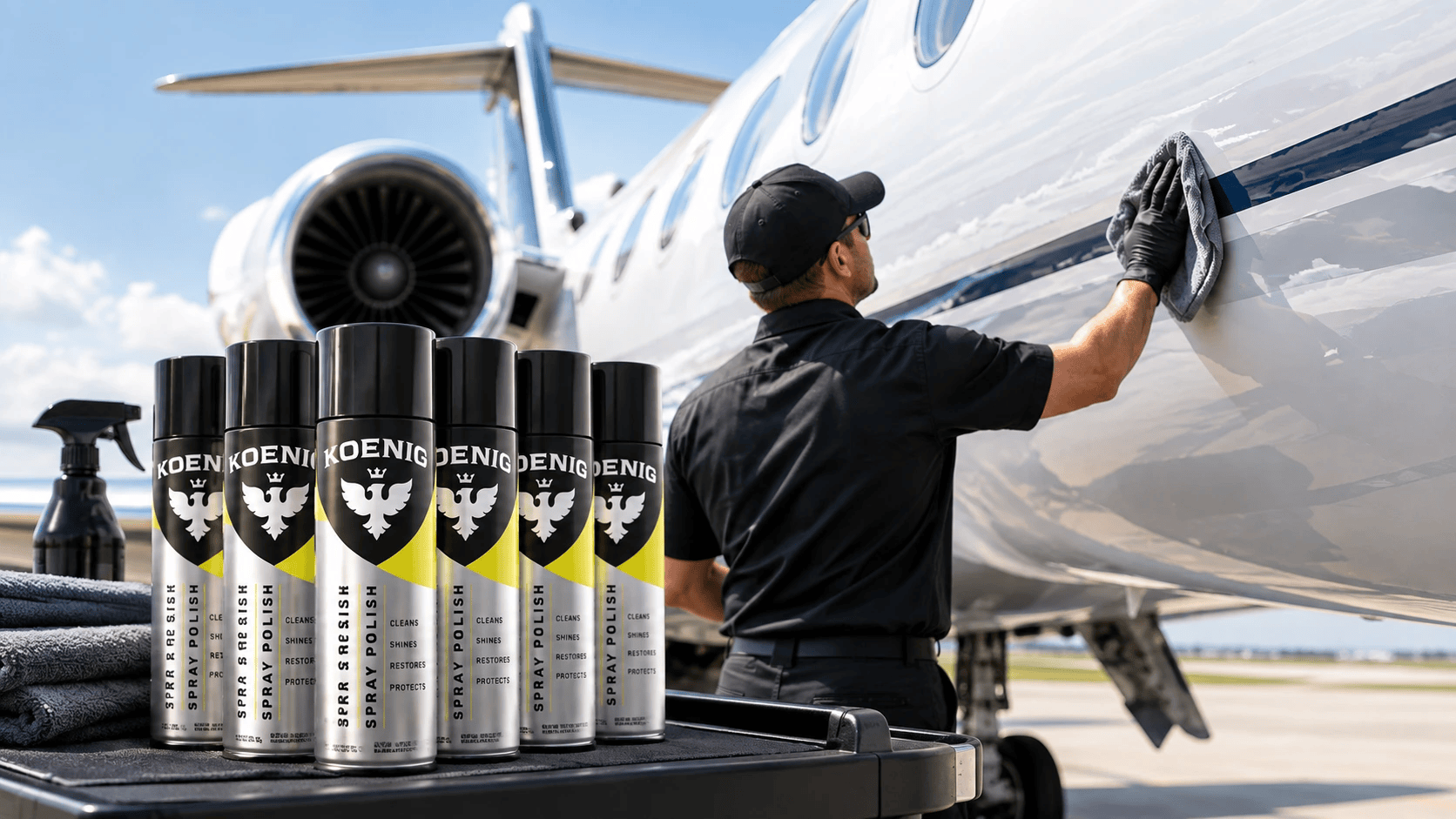
A long wing can encourage a technician to spray a large area and then race the clock. Smaller sections are easier to manage and make it easier to see whether the process is working. Apply only enough product for the area being cleaned, allow the contamination to soften as directed, and wipe with a clean microfiber towel.
Turn or replace the towel frequently. Once a towel loads with residue and grit, continuing to use the same face across the surface increases the chance of marring. Professional results often come from simple towel discipline as much as from the chemical itself.
For stubborn areas, repeat the process. Multiple controlled passes are generally preferable to one aggressive pass.
3. Use the Least Aggressive Method That Works
Bug residue can make a technician reach for a stronger solvent, abrasive pad or heavy compound. Before escalating, ask whether the contamination is still sitting on the surface or whether the finish itself has been affected. If the residue is gone but a mark remains, additional cleaning may not solve it.
A mild polish can sometimes improve light staining or surface dullness after the contamination is removed. If the finish has deeper etching, oxidation or coating damage, the correction process may require a different level of expertise.
This is especially important on aircraft because some leading-edge materials and coatings should not be aggressively polished. Follow the specific aircraft or component guidance when it applies.
4. Be Careful Around Specialty Leading-Edge Components
Not every leading edge is simply painted aluminum. Aircraft may have de-ice boots, polished metal, composite surfaces, antennas, lighting assemblies or other components in and around the area being cleaned. A product or technique that is acceptable on adjacent paint may not be appropriate for every component.
Do not flood seams, openings or electrical components with a cleaner. Do not apply a general exterior polish to rubber de-ice boots or other specialty materials unless the product and component instructions support that use. When in doubt, isolate the material and use the manufacturer-recommended process.
This material-awareness should be part of every professional aircraft-detailing checklist.
5. Make the Next Bug Cleaning Easier
Once the leading edge is clean, protective maintenance can reduce how strongly ordinary contamination bonds to the surface. A smoother, well-maintained finish is typically easier to clean than a dry, oxidized or neglected one.
This does not mean bugs will stop hitting the aircraft, and it does not eliminate the need for routine cleaning. It means future residue may require less effort, especially when it is removed promptly instead of being allowed to build up over many flights.
For aircraft that fly frequently, a quick post-flight or scheduled leading-edge inspection can prevent a light cleaning job from becoming a restoration project.
Using Koenig Polish in a Leading-Edge Maintenance Routine
Koenig Polish can be evaluated as part of the clean, shine and protect process on appropriate exterior surfaces. The best test is a small, representative area: remove the contamination, evaluate the finish and see how the surface behaves during the next cleaning cycle.
For professional detailers, this creates a measurable comparison. Does the residue release more easily next time? Is the finish easier to wipe clean? Does the product reduce the number of separate light-maintenance steps? Those observations are more useful than simply saying a surface “looks shiny.”
If the leading edge includes a material with special care requirements, those requirements come first.
Frequently Asked Questions
What is the safest way to remove bugs from an airplane?
Remove loose grit first, soften the residue, work on a cool surface when practical, use clean microfiber towels and repeat gentle passes rather than scrubbing aggressively.
Can dried bugs damage aircraft paint?
Dried organic residue can become difficult to remove and may leave staining or marks, especially when neglected. Prompt cleaning reduces the need for aggressive correction later.
Should I use an abrasive pad on airplane leading edges?
Not as a default. Abrasive pads can scratch or alter finishes. Use the least aggressive compatible method and follow aircraft or component guidance.
Can I polish a leading edge after removing bugs?
Light polishing may be appropriate on some painted or polished surfaces, but material and coating requirements vary. Confirm the surface and test a small area first.
How can I make bug removal easier in the future?
Remove residue regularly and keep appropriate exterior surfaces clean and protected. A well-maintained finish generally requires less aggressive cleaning than a neglected one.